
Strategic Vulnerabilities Translate into Price Shocks
Southeast Asia is structurally vulnerable to geopolitical energy shocks. Since 2010, fossil fuels have met nearly 80% of the region’s rapidly growing energy demand. Although some countries in the region produce oil and gas, they are not entirely self-sufficient (see Table 1). For others that rely heavily on imports, supply shocks hit harder. Unlike East Asian countries, most Southeast Asian countries have very limited strategic stockpiles as a buffer.
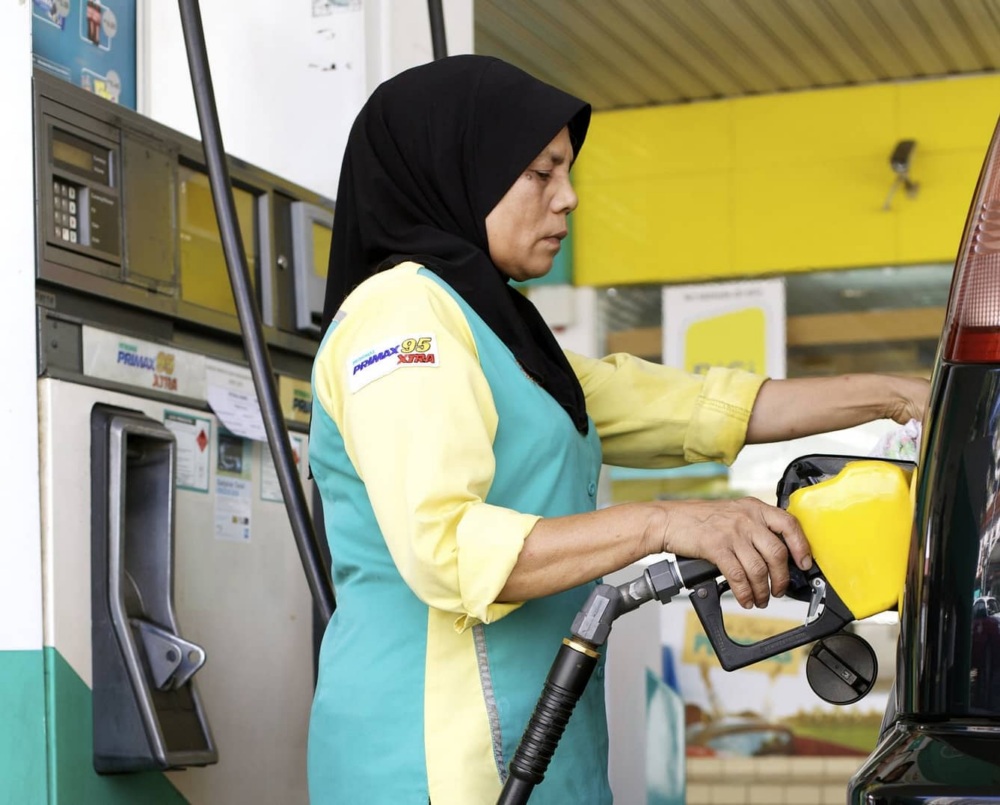
The oil and gas price hike is an immediate fiscal burden for Southeast Asian countries. The Association of Southeast Asian Nations (ASEAN) estimated that monthly import costs would increase by $3.36 billion. Because oil and gas account for 90% of the transportation sector and 31% of the electricity sector’s needs in the region, price shocks have rippled through society, translating into higher estimated inflation across countries.
Governments Respond with Conservation and Subsidies
Countries soon rolled out extreme energy-conservation measures, but only for the public sector. They cut workdays, canceled travel, and limited air-conditioning in government buildings (See Table 2). These measures aimed to reduce demand among civil servants and encourage the public to change their behavior. However, governments didn’t impose large-scale rationing for industries or households for fear of political turmoil.
Many governments are doubling down on fossil fuel subsidies. Before the crisis, Indonesia, Malaysia, Viet Nam, Thailand, and the Philippines directly subsidized fossil fuels to lower prices, reaching $54.2 billion in total subsidies in 2024 and accounting for significant shares of each country’s GDP (see Table 3). After the crisis, Indonesia announced an additional $28.4 billion to fund fossil fuel subsidies and compensate state-owned energy and utility companies. Subsidies also jumped sevenfold in Malaysia and will reach $9.8 billion in 2026, which is 9.5% of the annual budget.
Crisis Mitigation Efforts Could Hamper Power Systems Long-Term
A crowding-out effect will undermine governments’ abilities to pursue other priorities. According to Indonesia’s Minister of Finance, the new fossil fuel subsidies will come from “spending cuts at some government agencies.” The response pattern follows what these governments did in 2022, when energy prices rose following Russia’s invasion of Ukraine. In Indonesia, energy subsidies in 2022 accounted for 2.8% of the GDP, exceeding government expenditure on education, social protection, health, and economic affairs.
Governments must strengthen the power system while navigating energy shocks. Southeast Asia’s grid has long faced challenges from a varied landscape, frequent natural disasters, densely concentrated urban demand, and growing intermittent renewables. Southeast Asia needs to more than double its grid capacity to meet projected demand by 2050. Doing so will require investing 14 times the amount invested since the 1970s, especially as countries focus on job-creating, energy-intensive sectors. The grid’s inability to keep up with industrial demand can create multiple problems. For example, the rapid expansion of nickel processing has driven up the construction of off-grid/captive coal generation in Indonesia.
Two Long-Term Questions for the Region
1. How to supply electricity at manageable costs while keeping up with demand growth?
Industrial plans mean further surges in electricity demand. Indonesia, Malaysia, Viet Nam, Thailand, and the Philippines have industrial policies that require large amounts of electricity. They hope to expand data centers, mineral processing, semiconductor manufacturing, and electric vehicle manufacturing. According to the International Energy Agency, this means that the region’s electricity demand will grow by 4.4% annually to 2035 and more than double by 2050.
With ongoing uncertainty in the international energy market, these governments will have to figure out how to leverage supply- and demand-side policy tools to mitigate shocks while keeping up with a growing thirst for energy.
2. How to manage demand without further straining the power systems?
A surge in demand strains the grid, especially where capacity is limited. A month-long on-and-off blackout in Northern Viet Nam in 2024 cost the country $1.4 billion, equivalent to 0.3% of its GDP. Data centers, which demand intensive and stable electricity, can have sharp ramp-up and ramp-down profiles and pose new forecasting challenges and outage risks for system operators. Industries the region actively seeks to develop, including electric vehicles, semiconductors, and other types of advanced manufacturing, are also highly sensitive to power outages.
The region has to figure out how to bridge the persistent investment gap in new grid infrastructure and manage existing grid vulnerabilities in order to pursue economic growth driven by electricity-intensive industrial users.
Conclusion: Southeast Asia’s Future Growth Depends on Energy
The crisis response measures Southeast Asian countries rolled out are unsustainable. They drain governments’ ability to manage other priorities, including industrial growth. To meet their growth and development priorities, governments need a multi-pronged energy security strategy that plans for supply shocks while investing in energy infrastructure. Without this dual approach, both industries and consumers will continue to suffer from price hikes, unstable supply, and limited investment due to the fiscal pressures facing these governments.