
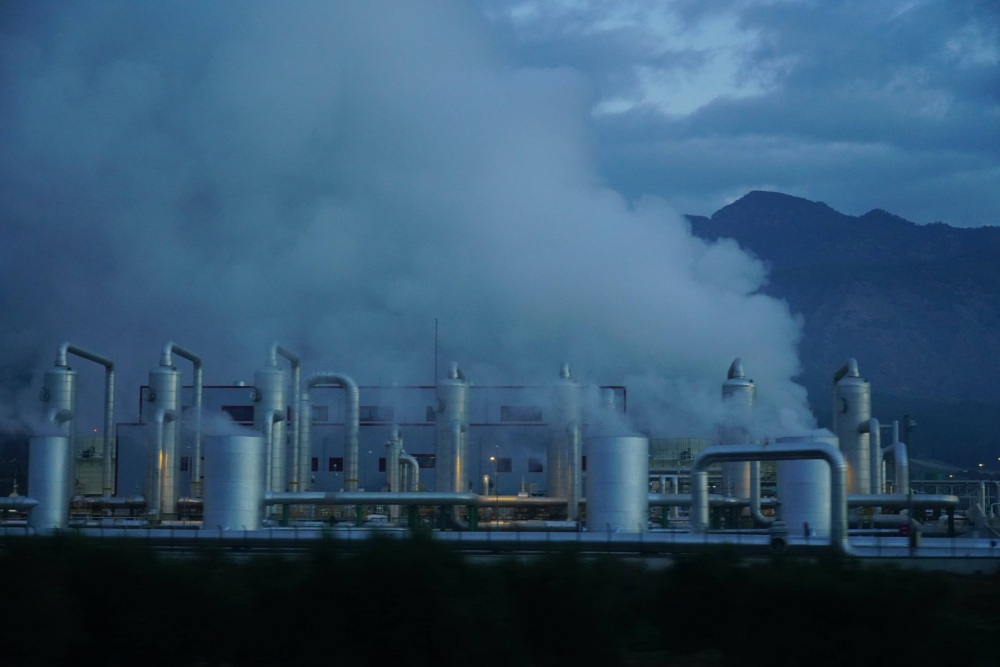
As climate leaders descend on Antalya for COP31, geothermal energy will have a center seat at a table from which it’s typically been excluded. Türkiye is a success story and an exemplary leader to other emerging markets looking to maximize their conventional geothermal power.
Like many of its peers, Türkiye struggled to incentivize the financing of long and risky geothermal projects. However, a series of reforms enacted by Turkish legislators beginning in the 2000s liberalized the power market, ushered in greater revenue certainty for investors, and generated a bankable project pipeline. Between 2010 and 2024, Türkiye’s installed capacity of geothermal power grew 10% annually. Today, it ranks fourth in the world for installed geothermal capacity, behind the United States, Indonesia, and the Philippines.
Here’s a look at what Türkiye got right:
1. Türkiye Put Geothermal in its Own Class of Feed-in Tariffs and Recognized it as Firm Power.
Türkiye set a technology-specific, dollar-denominated feed-in tariff that paid geothermal a premium over certain renewable energy resources because geothermal is always-on. By giving geothermal its own tariff class as firm power within the regulatory framework for renewable energy, policymakers created distinct incentives for investors. The tariff also included a local equipment bonus, incentivizing the creation of a local supply chain.
2. Türkiye Gave Geothermal Projects Extended Timelines for Government Support Compared to Other Renewable Energy Projects.
In 2023, Türkiye extended the government support period for geothermal power projects to 15 years from 10 years — a timespan only granted to geothermal and pumped storage hydropower due to their high upfront costs and long development timelines. This support included a fixed power price and an extended time period to qualify for the local equipment benefit.
3. Regulators Added a Price Floor to the Fixed Power Price, Protecting Geothermal Projects from Currency Volatility.
The lira’s price volatility frequently made geothermal projects lose money. Türkiye added a price floor for geothermal projects to protect against currency risk, providing investors with more revenue certainty. Investors and experts welcomed these moves, claiming the policies “woke Türkiye from a geothermal slumber.” Türkiye added 67 megawatts of geothermal as baseload power in 2025, with 300 megawatts currently under development.
4. Türkiye Built on a Long-standing State Drilling Program that De-risked Exploration for Private Developers.
Since 1962, Türkiye’s mineral research and exploration agency has searched for geothermal resources. The agency identified the best sites, drilled 1-3 wells per site, made the data public, and then auctioned licenses to the private sector. Private developers often started with a field the state had already confirmed. Baker Hughes credits the publicly funded exploration with significantly reducing subsurface uncertainty and costs. The state-led drilling scheme brought the government hundreds of millions in public revenue from the tenders in addition to adding firm, clean power to the grid. This scheme helped usher in the country’s geothermal boom from 2008 onward.
Key Lesson: Clear Regulatory Rules and State-led Financial Incentives Leads to More Geothermal Power.
Türkiye’s regulatory changes and financing schemes are widely credited with sparking its geothermal renaissance. These policies made geothermal power projects more bankable by de-risking upfront costs and guaranteeing revenue certainty over a longer period of time. Türkiye’s geothermal story — an emerging market going through the gradual process of liberalizing its power sector, managing currency volatility, and partially relying on development finance — makes it an invaluable example for peer countries looking to experience the same success.
The latest climate summit gives Türkiye a well-deserved opportunity to showcase how it overcame barriers and incentivized one of the world’s more promising energy resources.