

With nuclear technology gaining attention and development banks becoming open to nuclear power, lots of countries have a choice to make: Should they add nuclear power to their future mix? Based on the experience of the 31 countries that operate nuclear power plants today, here is a summary of some initial lessons for countries weighing the nuclear option.
Lessons for Nuclear Aspirants
- Projected demand and grid capacity affect whether nuclear is feasible and which technology is appropriate. Traditional nuclear is large-scale (typically over 1,000 MW) while even “small” reactors are likely to be similar in size to a coal or gas plant (150-400 MW). Yet Niger, with a current installed grid capacity of about 500 MW, announced a plan to build 2,000 MW of nuclear power with Russia’s Rosatom. Other nuclear aspirants in Africa have announced similar ambitions that exceed current grid capacities and undercut credibility. In contrast, Egypt’s massive 4.4 GW El Dabaa plant under construction will be less than 10% of its nearly 60 GW installed capacity. South Africa’s nuclear plants make 5% of its total electricity generation. Smaller grids may be able to absorb advanced microreactors, but overall nuclear size will need to be realistic relative to the existing energy system.
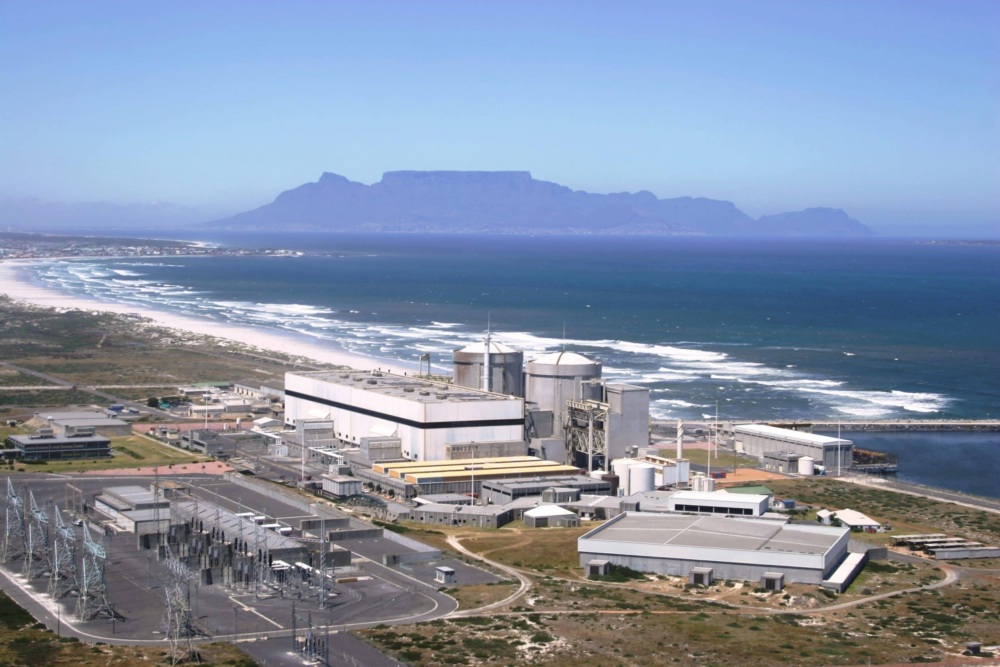
- An independent regulator is a non-negotiable start. Nuclear power is complex and has unique safety and security concerns, so it requires competent, capable oversight. Regulatory authorities must be able to instill confidence with both local populations and international bodies over the long term. Thus, they must not be subject to political change. The success of the nuclear power plant Koeberg in South Africa, which has been in operation for 40 years and was recently renewed for another 20 years, hinged on the early establishment of an independent nuclear regulator. Key pillars of Egypt’s nuclear regulatory authority include independence and transparency.
- Successful nuclear programs begin workforce development many years before operation. Operating a plant requires hundreds of workers, many with specialized skillsets. Before Koeberg came online, South Africa invested in the SAFARI-1 research reactor to create a training ground for engineers and operators long before commercial deployment. Similarly, Egypt developed two research reactors before El Dabaa. Research reactors provide hands-on training with nuclear operations, allowing countries to build expertise and demonstrate early competence.
- Building international credibility through IAEA agreements and regional partnerships reduces risks for global investors. The IAEA has a comprehensive milestones process for nuclear aspirant countries that need to be completed before any construction. Both South Africa and Egypt have successfully completed the process, while Kenya and Ghana are currently in the IAEA’s Phase II certification stage. Bilateral programs are also helpful. For instance, Ghana is participating in the US-led Foundational Infrastructure for Responsible Use of Small Modular Reactor Technology (FIRST) program, which will help the country establish a secure SMR supply chain. Any country hoping to use US nuclear technology must have a signed 123 agreement with the US government. In Africa, only Morocco currently has an active 123. (South Africa’s 123 Agreement expired in December 2022)
- Public confidence requires transparency to ensure long-term social license and prevent project delays. Public concern about proliferation, radiation, and waste can stall or halt programs. Egypt organized press tours for its journalists to learn about existing Russian-built plants and address El Dabaa’s potential environmental and social impact publicly. As Kenya considers nuclear, it has held public opinion polls and engaged stakeholders, including the media, and rolled out a public education program. South Africa has maintained public trust through continuous safety reporting over 40 years of operation.
- Diversifying potential vendors maintains national autonomy and prevents long-term single-source dependencies. The next generation of nuclear designs will provide a wide array of options, sizes, fuel types, and safety systems. Exporters will include the Russian state-owned Rosatom, the Chinese state-owned CNNC, and at least a dozen private companies from the United States, Korea, or other Western nations. Each will come with long relationships covering initial financing, multi-decades of fuel supply, and maintenance agreements. Each of these not only has economic impacts but, because of the heavy state roles for all exporters, energy security and geostrategic considerations. Maintaining diversity of potential vendors prevents early technology lock-in and allows countries to explore various options, compare costs, and maintain autonomy. South Africa’s Koeberg demonstrates the value of vendor diversification. Built with French (Unit 2) and US (Unit 1) technology, the multi-vendor approach has sustained 40 years of operation and maintained leverage, even when disputes arose with individual partners. In Egypt, Russia has covered 85% of the cost of El Dabaa, though Egypt did consider China and South Korea before signing with Russia. Ghana has signed non-binding agreements with US-based NuScale and China’s CNNC. Kenya has signed nuclear cooperation MoUs with both the US and China.
Early action items for nuclear aspirant governments
- Assess grid capacity early to determine appropriate reactor size and technologies. Evaluate whether a small modular reactor (<300 MW) is better suited to the grid (or a local industrial offtaker) than a traditional plant (>1000 MW), and accordingly set realistic and achievable nuclear goals to maintain credibility and ensure timely build.
- Create independent regulators. Separate nuclear regulation legally and financially from energy ministries to ensure continuity and transparency of nuclear energy operations.
- Start workforce training well in advance. Invest in research reactors to meet essential IAEA milestones, partner with global nuclear experts, and train operators, engineers, regulators, and safety staff many years before planned commercial deployment. Partner with universities as a first step to build innovation and expertise networks while spreading R&D overhead. Share training through regional collaboration to lower per-country costs.
- Join IAEA frameworks and regional groups, and engage development banks. Embark on the IAEA milestone requirements to demonstrate safety readiness and build domestic capabilities. With many development finance institutions reversing nuclear bans, actively request support for nuclear preparation and, eventually, financing.
- Educate your own public. Create a broad public education campaign, perhaps through a collaboration between energy and education ministries. The focus could be on the economic and environmental benefits that clean energy can provide.
- Commit early to open procurement. Publicly bind your own government to transparent and competitive bidding processes. Engage with multiple vendors to ensure fairness, achieve competitive pricing, and reduce potential future dependency.
Photo credit: Eskom