The Hub Incubates New Initiative to Strengthen African-Led Energy Transitions
Shaping Energy Transitions
Bottom Line Impact
In November 2024, the African Climate Foundation announced the launch of the African Energy Futures Initiative, designed and incubated by the Energy for Growth Hub. The initiative funds African-led energy transition research, modeling, and analysis. It aims to ensure African policymakers have access to trusted expertise and insights to shape credible decisions grounded in local context. With seed funding from The Rockefeller Foundation, the African Energy Futures Initiative launched its public platform and opened the first round of competitive multi-year grants for energy research hubs in December 2025.
Why It Matters
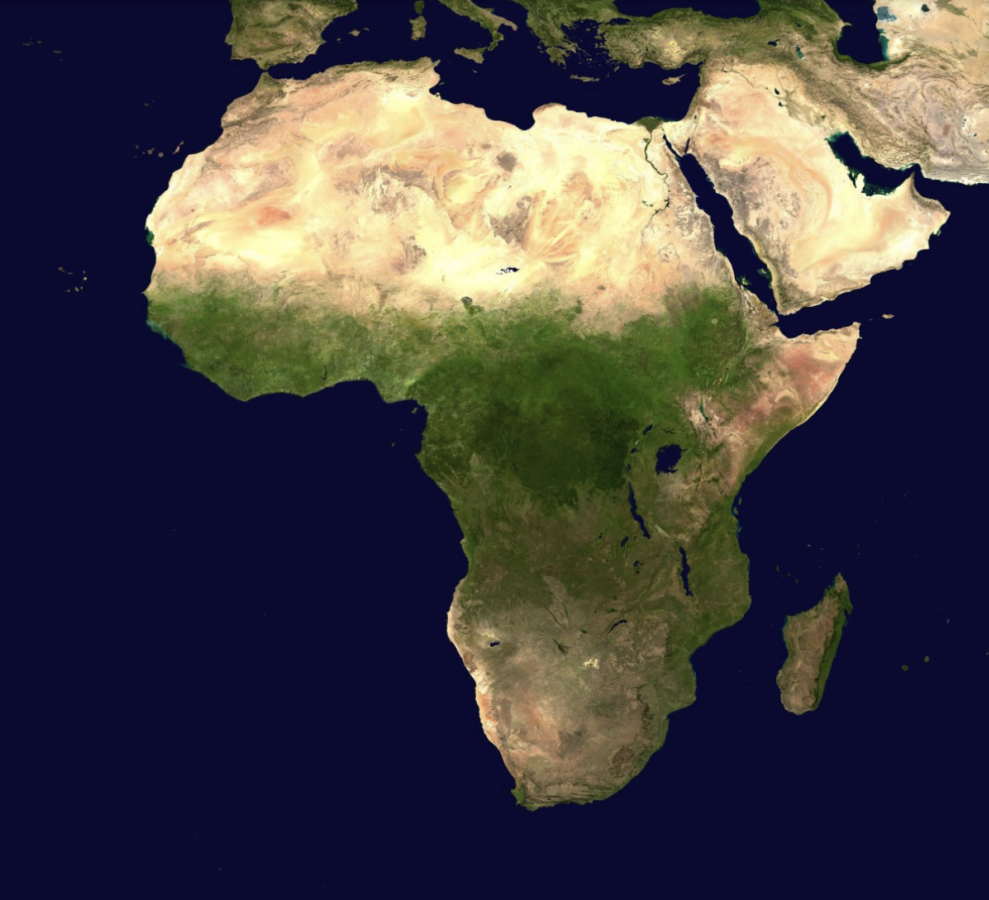
A successful global energy transition depends on local dynamics, including politics, economic conditions, and social norms. And it’s playing out very differently in different places. For example, clean energy technologies are taking off in African markets on trajectories very different from those in the US or Europe.
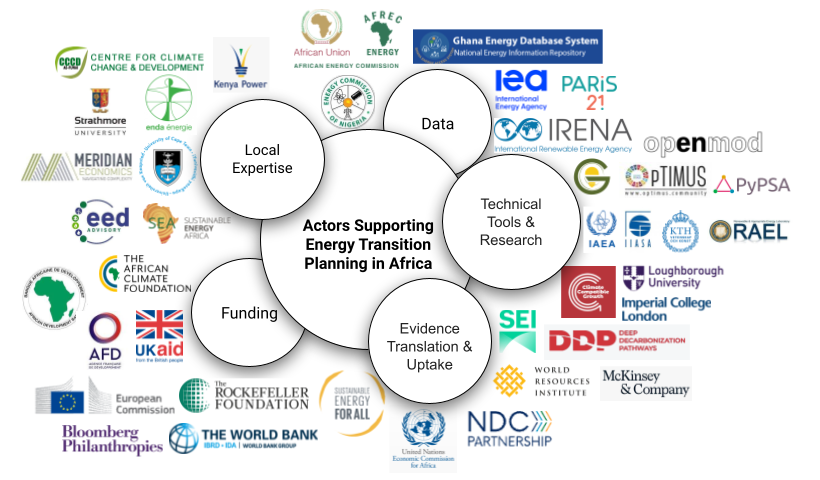
Too often, funding for energy transition planning supports one-off analyses by international consultants, rather than longer-term research and advocacy by local institutions. As a result, far too many African energy transition plans lack substantive homegrown input and insight, meaning they aren’t tied to local conditions, don’t reflect political priorities, and haven’t garnered buy-in from crucial local groups or leaders. Such plans are far less likely to be implemented successfully — or at all.
The African Energy Futures Initiative is a new approach: channeling funding directly to local research institutions, incentivizing multi-disciplinary analyses, and ensuring research gets tied much more closely to political dynamics. Ultimately, homegrown leadership is the only way to ensure that the energy transition reduces poverty (not just emissions) and mitigates inequities (rather than entrenching them).
What We Did
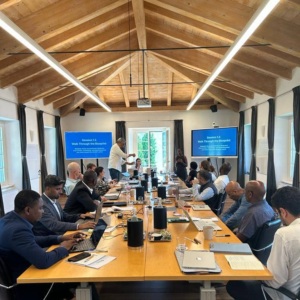
Brought analysts together to assess the problem. Rose Mutiso, Katie Auth, and Grace Tamble assembled a majority-African expert working group — with expertise in energy systems modeling, development economics, and climate science — to figure out how African countries could be more influential in shaping the global pathway to net zero emissions. The group quickly homed in on the lack of support for African-led research, and proposed five strategies to make energy transition modeling more accurate and inclusive.
Gathered input and ideas. We solicited feedback from more than 100 academics, policy experts, government officials, and philanthropists, who helped us hone our approach.
Rallied a coalition to design the institutional structure. With support from the Rockefeller Foundation and Schmidt Sciences, we brought together 20 experts from universities, think tanks, governments, and philanthropy to design a new African-led platform to channel resources directly to local research hubs.
Helped the African Climate Foundation launch the initiative. The African Climate Foundation agreed to host, and launched the initiative in November 2024. Initial funding from the Rockefeller Foundation will help catalyze support for 20 hubs across Africa by 2035.
Key Partners
Our working group members, Lauren Culver, Rose Mutiso, Moussa Blimpo, Murefu Barasa, Katie Auth, June Lukuyu, Ken Caldeira, Michael Dioha, Habiba Ahut Daggash, Joel Nana, Zeke Hausfather, Lily Odarno, and Joan Nkiriki.
African Climate Foundation, which volunteered to host the initiative.
The Rockefeller Foundation and Schmidt Sciences, which provided crucial seed funding and supported the design process.
Contributors, who aided our research and helped us design the initiative: Bezos Earth Fund, Clean Air Task Force, Climateworks Foundation, EED Advisory, Energy Commission of Ghana, Growald Climate Fund, Institute for Sustainable Development and International Relations, Jawaharlal Nehru University, Kenya Power, Rocky Mountain Institute, Schmidt Sciences, Sustainable Energy Africa, Sustainable Energy for All, University College London, University of Cape Town, and World Resources Institute Africa.