The Bahamas is the latest example in the Caribbean of governments using power contract transparency to improve power project outcomes. The government successfully negotiated dozens of new solar power purchase agreements (PPAs) earlier this year through a transparent process that included the adoption of a standardized contract and public disclosure through the parliament. The power contract transparency team at the Hub recently spoke with Verron Darville, Deputy Director of Energy at the Ministry of Energy and Transport in The Bahamas, about how the small island nation is redefining contract disclosure and public accountability.
“We just didn’t want people to feel like they were in the dark anymore, literally or figuratively,” said Verron. “This time, we made transparency a core part of the reform, not an afterthought.”
For decades, energy policy in The Bahamas was split across multiple ministries with little coordination or public awareness. The creation of a dedicated Ministry of Energy marked a turning point. “Before this administration, energy was scattered across different agencies,” Verron said. “Now we have a team that just focuses on the [energy] sector. If something goes wrong, we deal with it right away.”
The Ministry launched public education efforts, regular press releases, and an annual National Energy Summit to inform the public about new projects and “humanize the companies” developing said projects. “It was important for people to understand who these companies are and what they’re doing,” Verron said. “Anything can happen in this sector, so we wanted the public to know exactly what’s going on.”
A key innovation was the creation of a standardized PPA template, developed jointly by the Ministry of Energy, Bahamas Power and Light, the Office of the Attorney General, and external legal, commercial, and technical experts. “We needed the strongest minds in the country,” Verron explained. “Having a standard template made negotiations fairer and faster. If one vendor signed a clause, we expected others to agree too.” The template also strengthened the government’s bargaining position, ensuring consistent terms across projects while keeping a united front during negotiations.
Once agreements were finalized, all PPAs were tabled in Parliament through sessions that were broadcast live on national television. Although not yet available online, citizens can request copies of the PPAs from the Cabinet Office. Project developers, most of whom are at least 51 percent Bahamian-owned, were informed from the start that their contracts would be made public. “We told them early on, these agreements will be tabled. No surprises. Everyone negotiated in good faith.”
Transparency in The Bahamas extends beyond initial contract disclosure. Developers are required to provide monthly project updates on timelines and milestones, and the ministry plans to make these accessible to the public. “We have a responsibility to show people what’s happening,” Verron said. The ministry is installing large touchscreens in certain government offices to display real-time project information. An upcoming ArcGIS-based dashboard will allow citizens to click on any island and view progress on solar installations.
For Verron, the biggest benefits of transparency have been the ability to close deals more efficiently and greater investor confidence. “Transparency made everything easier,” he said. “We didn’t have to explain why one developer got a different term. Everyone could see it. The result was faster deals and more trust.”
When asked what other Caribbean islands could learn from The Bahamas’ experience, Verron emphasized three lessons. “Take your time and gather all the information before you start. Trust your team, because you’ll need people with legal, commercial, and technical expertise. And stay calm. Negotiations get tense, but you have to keep the bigger picture in mind.”
The Bahamas joins Argentina and Ghana as the latest example of governments using contract transparency to benefit the public consumers who will eventually pay the cost of those contracts. Transparency helped the Bahamas improve its negotiating position prior to contract formation and increase public trust afterward.
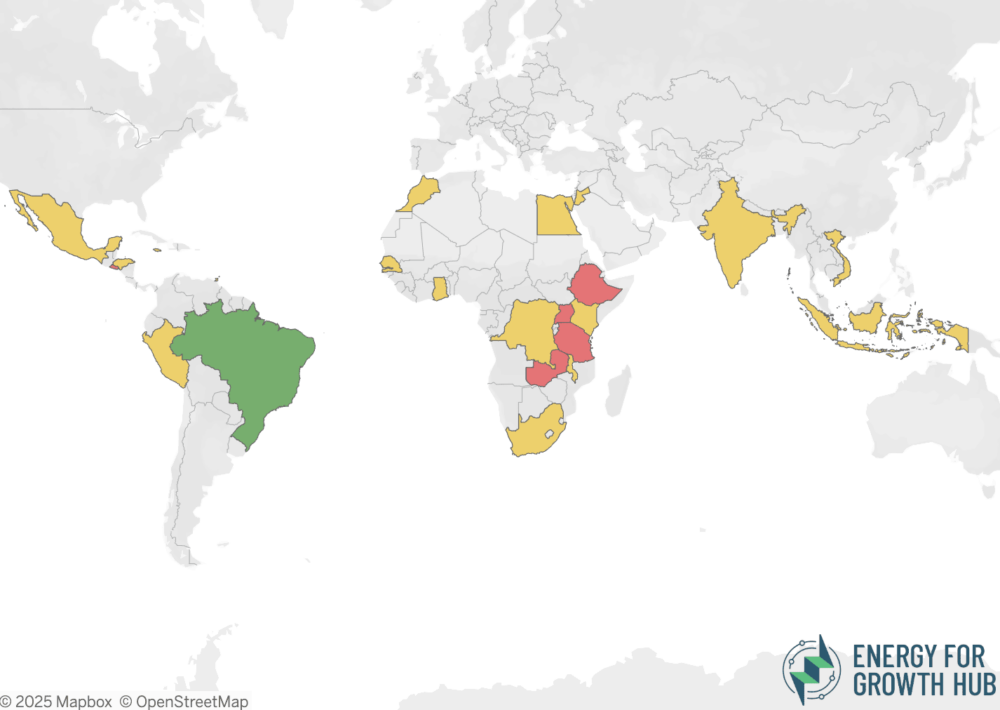
The Hub, which supported Ghana in developing an online PPA register to make key contract information publicly accessible, and ranks contract transparency policies in emerging economies on its PPA Watch index, is now working with the Organization of Caribbean Utility Regulators (OOCUR) to help other governments in the Caribbean region adopt similar approaches. The recent success of power contract transparency in the Bahamas provides a shining beacon for other islands to follow.