Multilateral development banks (MDBs) play a central role in power sector development and set the benchmark for energy investment in emerging markets. To accelerate investment and development, MDBs should advocate for greater power contract disclosure both in their own operations and in the countries they support.
The Problem: Contract secrecy weakens power sectors in emerging markets
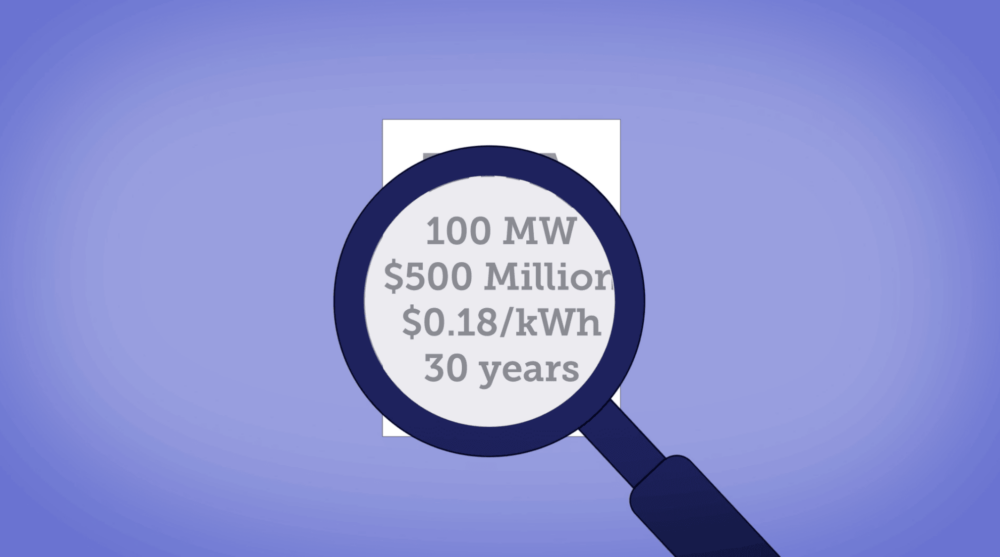
In mature electricity markets, open and standardized contracts have supported energy investment. In many emerging markets, the opposite is true. New generation capacity is often procured through direct negotiations by under-resourced utilities, with limited disclosure or oversight. Power purchase agreements (PPAs) are frequently non-standardized and unpublished, despite creating long-term financial obligations that affect public finances for decades.
Without disclosure, governments risk accumulating hidden liabilities, while investors struggle to assess payment risk. Transparency would help governments negotiate better deals and manage fiscal risks more effectively.
Transparency is central to MDB lending, advisory work, and project success
Transparency directly supports MDB objectives. Beyond lending, MDBs provide technical assistance, policy advice, and credibility to reforms. When contracts remain confidential, it is harder to assess project risks, benchmark pricing, and provide informed guidance.
Disclosure improves outcomes across several areas of MDB work. As lenders, MDBs benefit from stronger oversight and reduced fiscal risk in projects they finance. As advisors, they can draw on disclosed contracts to benchmark tariffs, risk allocation, and procurement practices across markets. As development partners, they can help governments adopt standardized and transparent contracting practices that are easier to govern and attract more investment over time.
In short, transparency protects MDB financing, strengthens advisory work, and improves project outcomes.
MDBs are beginning to support contract disclosure, but a lot more needs to be done
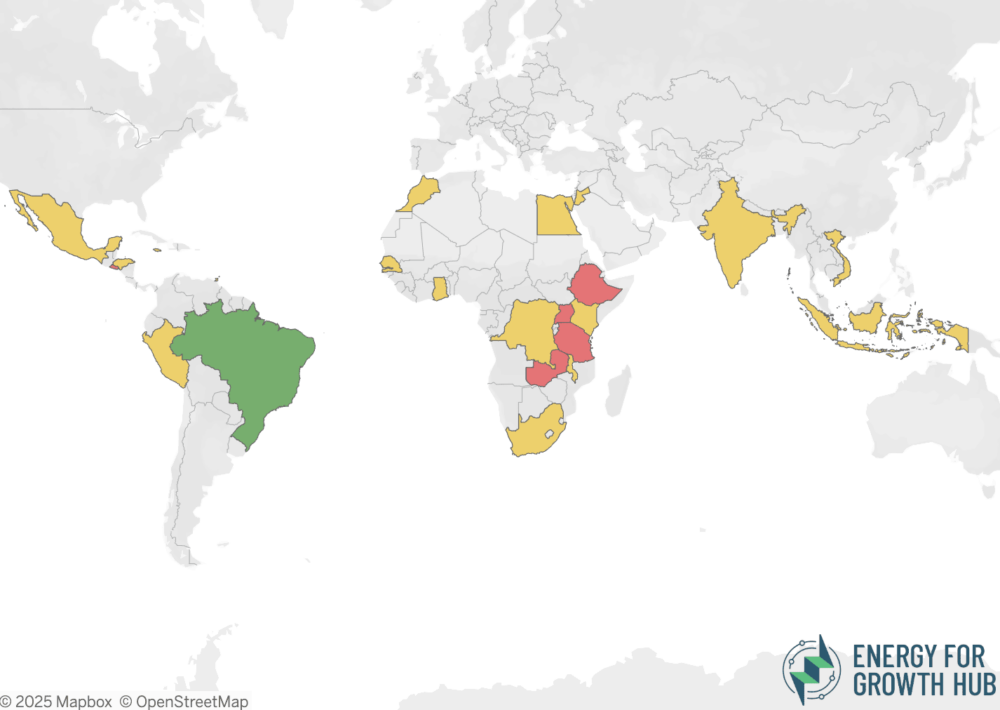
The Asian Development Bank (ADB) recently launched a technical assistance program to help three developing markets in setting disclosure standards, developing standardized contract templates, and benchmarking disclosure practices against countries with more advanced mechanisms. The program also helps integrate disclosure into tariff-setting processes, fiscal risk assessments, and public debt management systems.
The World Bank and G20 have also endorsed transparency principles, though neither has made routine disclosure a requirement.
MDB leadership could turn these recommendations into standard practice across power project development. MDBs could require disclosure of PPAs for MDB-financed projects (with redactions) within 12 months of financial close, create public registries for contracts, and embed disclosure into due diligence processes, making it a routine part of guarantees, loans, and policy support.
MDBs can set the norm for transparent and accountable power markets
ADB’s new initiative highlights the important role MDBs can play in advancing contract transparency. By combining technical assistance with financing requirements, MDBs can establish contract disclosure as a standard feature of power sector development, improving project outcomes and protecting public finances across their member countries, while ensuring greater disclosure in their own lending and advisory practices as well–a win-win outcome.