Meeting the energy needs of emerging economies requires additional metrics more closely aligned with job creation and economic growth.
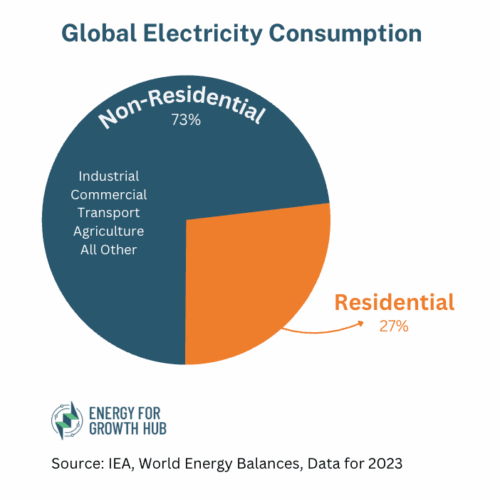
5% The share of global energy consumption used in residential electricity.
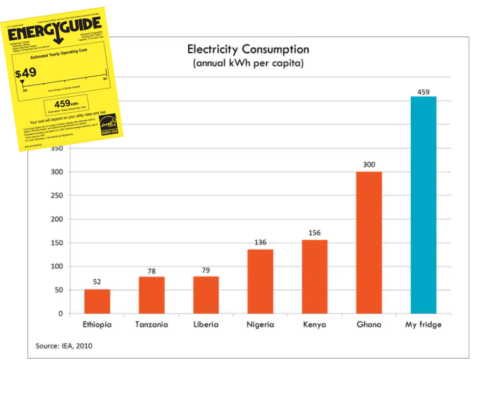
15 kWh The amount of electricity a person must use in a year to be considered to have ‘basic electricity access’, according to the International Energy Agency.
10 hours The amount of time it takes an average American to use 15 kWh.
The Issue
Basic household electricity access is the dominant metric for tracking progress against global energy poverty — but actually means very little in terms of what drives opportunity and economic prosperity.
Relevance
Household access to basic electricity is an important first step. Everyone deserves to have lights at home. But access is not the same as the energy needed for job creation and economic growth. We need new indicators (and better data) that raise ambitions, prioritize investments, and track progress toward abundance for everyone.
Our Approach
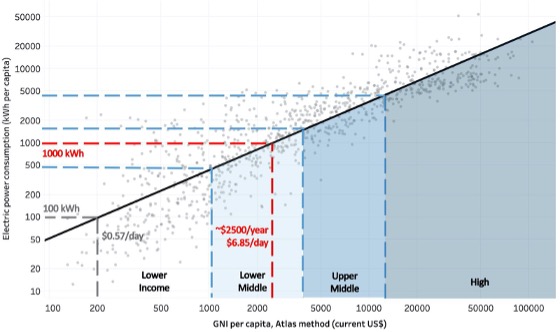
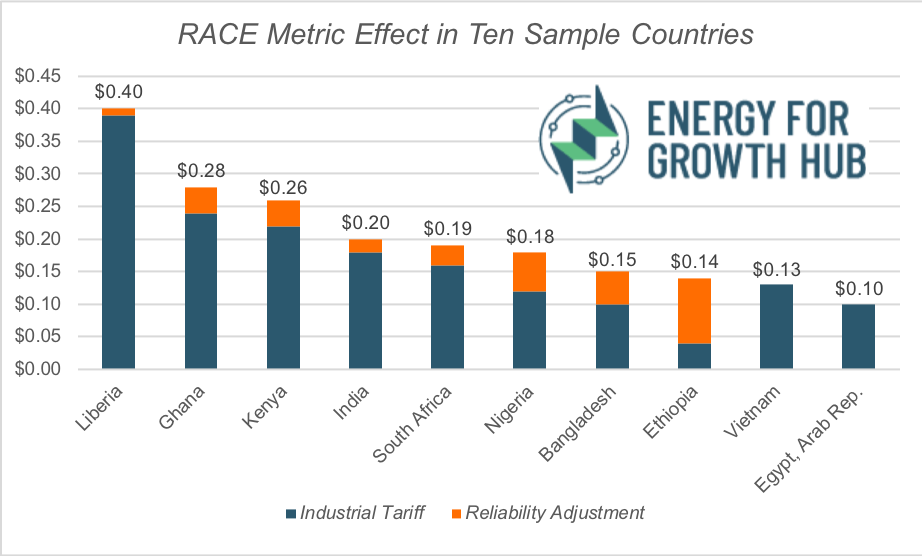
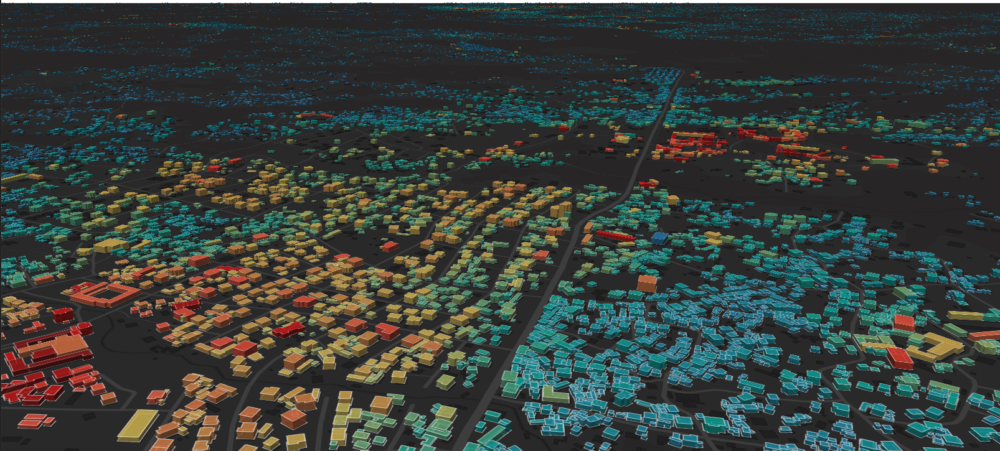
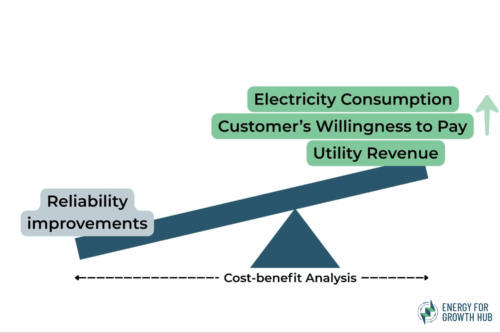
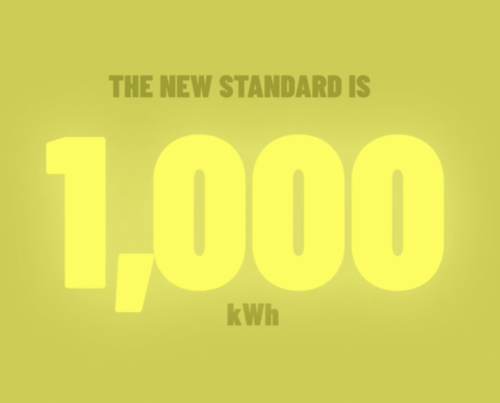
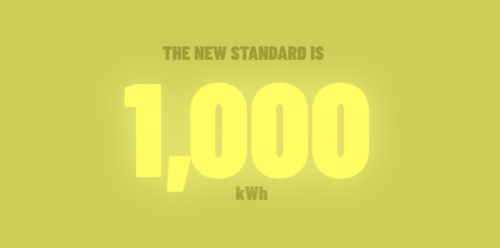
We aim to broaden progress indicators from initial household access to also cover cost, reliability, and energy outside the home for industry, commerce, and other productive uses. We propose targets that align with countries’ own development ambitions. The Hub has developed two new metrics to do this: The Modern Energy Minimum as a new 1000 kWh per person target and the Reliability-Adjusted Cost of Electricity (RACE) that reflects what firms care about most. Our Open Energy Tracking [coming soon] leverages machine learning and geospatial data to estimate electricity consumption at five tiers, not just one, providing insights into what happens after initial connections.
To defeat energy poverty, we need energy metrics aligned with economic growth.